Dinner Plate Peony Root
Dinner Plate Peony Root
Couldn't load pickup availability
Dinner Plate Peony Root with 5-8 Eyes
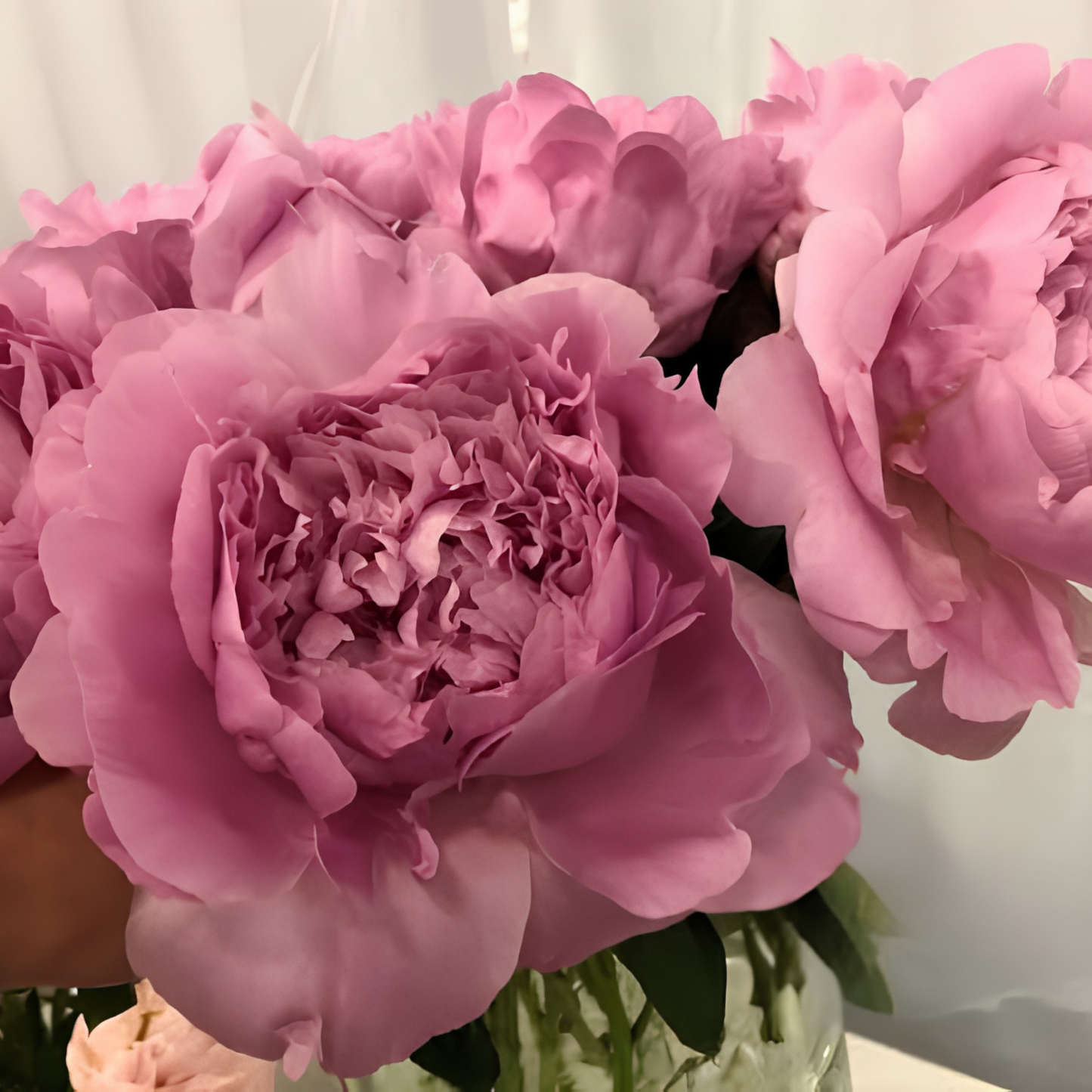
Dinner Plate peony, a breathtaking, historic masterpiece that fully lives up to its grand name. Hybridized by Carl G. Klehm and introduced in 1968, this iconic perennial is celebrated for producing some of the largest blossoms in the entire genus. The immense, fully double rose-type flowers reach an incredible 7 to 10 inches across, opening in a rich shell-pink or lilac-rose hue that softly settles into a delicate pastel pink over time. Rising on stately, robust stems that can reach up to 3 to 4 feet tall, it creates a magnificent landscape silhouette and delivers an intoxicating, sweet rose scent. Named the Grand Champion at the 1973 Milwaukee National Exhibition, this late-blooming heirloom acts as the ultimate grand finale to the spring season, highly coveted by commercial cut-flower growers and home gardeners alike.
Dinner Plate Peony Information
- Cultivar: Dinner Plate
- Botanical Name: Paeonia lactiflora ‘Dinner Plate’
- Group: Herbaceous Lactiflora
- Bloom Form: Double / Rose-type
- Bloom Size: 7" to 10"
- Color: Shell Pink to Lilac-Rose fading to Pastel Pink
- Height: 3' to 4' (36–48 inches)
- Fragrance: Strong, Sweet Rose Scent
- Bloom Time: Late Season
- Hardiness: USDA Zones 3 to 9
- Originator: Carl G. Klehm
- Year Introduced: 1968
- Country: United States
Bare Root Peony Shipping Information
Terms & Conditions (Checkout Agreement)
Bare Root Peony Growing Information & When to Expect Blooms
Planting Time: Plant your bare roots in the fall as soon as you receive them, before the ground freezes solid. This gives the root system time to establish over the winter.
Planting Depth: Dig a hole large enough to accommodate the roots. Position the root with the "eyes" (buds) pointing upward, 1 to 2 inches below the soil surface. Planting them too deep will prevent the plant from blooming.
Sun & Soil: Choose a location with full sun (at least 6 hours of direct sunlight daily) and rich, well-draining soil. Avoid waterlogged areas to prevent rot.
When to Expect Blooms:
- Year 1 (First Spring): The plant will focus its energy on root establishment and foliage growth. You may see a few green shoots or small leaves, but blooms are rare or may be very small.
- Year 2: Foliage will become fuller and stronger, and you may get your first light bloom.
- Years 3 and Beyond: The peony will reach maturity, producing its full-sized, abundant blossoms and peak performance.
photo credit: groot & groot